
Spam call scams targeting Shawnee College students pose significant risks to personal information and financial security. Fraudsters impersonate organizations, using threats to trick them into revealing sensitive data. To protect yourself: verify caller identity, be wary of unexpected demands, consult spam call lawyers Kansas, and trust your instincts. Shawnee College educates students on scam recognition and partners with these attorneys to enforce anti-spam legislation, empowering students with cybersecurity skills for a secure digital future.
In today’s digital age, students at Shawnee College, like many across the country, face a growing threat from spam call scams. These relentless automated calls, often disguised as legitimate communications, target individuals with promises of scholarships or academic opportunities, but ultimately aim to steal personal information. As trusted institutions, it’s crucial for colleges to protect their students from these deceptive practices. This article delves into the world of spam call scams targeting college students and explores effective strategies, including leveraging the expertise of spam call lawyers Kansas, to safeguard sensitive data and foster a secure academic environment.
Understanding Spam Call Scams: A Student's Guide

Spam call scams have become an increasingly prevalent and insidious threat to Shawnee College students, posing significant risks to their personal information and financial security. Understanding these schemes is a critical first step in protecting oneself. A spam call scam typically involves unsolicited phone calls from fraudsters pretending to represent legitimate organizations, such as banks or government agencies, to trick individuals into revealing sensitive data like Social Security numbers, passwords, or banking details. These scams often manifest as threatening messages claiming account issues, prize wins, or even threats of legal action, urging immediate response.
For students, this can be particularly alarming, especially those new to managing their own affairs. For instance, a common tactic is the “imposter scam,” where callers pose as lawyers or collection agents, demanding urgent payment for nonexistent legal fees or debts. The Federal Trade Commission (FTC) reports that calls claiming to be from law firms, often associated with debt collection, are frequent vectors for these scams. In Kansas, spam call lawyers targeting students may employ aggressive tactics, leveraging fear and urgency to manipulate vulnerable individuals into making hasty decisions. It’s crucial to recognize such attempts as fraudulent, especially when the caller demands immediate payment or threatens legal consequences without proper documentation.
To counter these threats, Shawnee College students should prioritize education and vigilance. Always verify the legitimacy of a call by contacting the organization directly using official phone numbers listed on their website. Additionally, never disclose sensitive information over the phone unless you initiated the call and are certain of the recipient’s identity. Keeping personal details private is paramount, as sharing even minor details can embolden scammers to attempt more sophisticated attacks. Engaging with spam call lawyers Kansas-based or otherwise requires extreme caution, and it’s recommended to consult trusted legal advisors if any concerns arise.
Recognizing Red Flags: Protecting Your Privacy
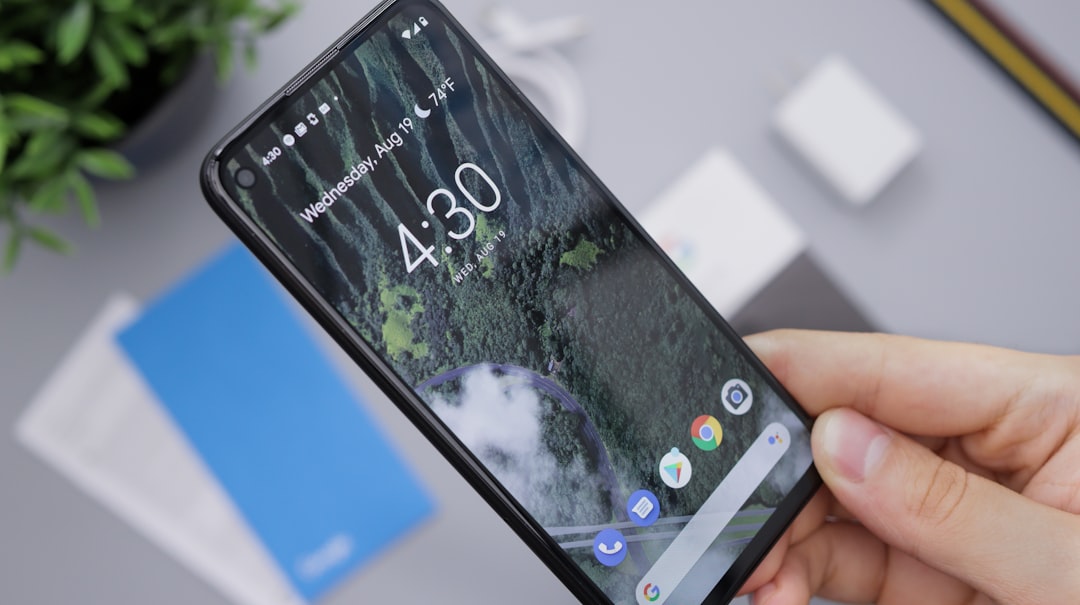
Spam call scams have become increasingly sophisticated, targeting not only consumers but also students. Recognizing red flags is crucial to protecting your privacy at Shawnee College. One common tactic used by scammers involves impersonating representatives from reputable organizations, such as educational institutions or government agencies, to gain access to sensitive information. They may claim there’s an issue with your account and demand immediate action, often pressuring you into revealing personal details over the phone.
To avoid falling victim, students should be vigilant about unexpected calls soliciting information. For instance, a recent study by the Federal Trade Commission (FTC) revealed that scam artists often pose as tech support or financial aid employees, leveraging fear and urgency to trick individuals into providing login credentials or social security numbers. It’s important to verify the caller’s identity independently—contacting the organization directly using official phone numbers listed on their website.
Additionally, be wary of calls offering scholarships or financial assistance with immediate payment requirements. Legitimate programs rarely demand upfront payments, and legitimate scholarship opportunities are usually advertised publicly. If you receive such a call, consult with spam call lawyers in Kansas to assess whether it’s a scam. They can provide expert guidance tailored to local laws and help students protect their privacy from these insidious threats. Always remember: trust your instincts—if something seems too good to be true or urgent, it likely is.
Legal Action: Engaging Kansas Spam Call Lawyers

At Shawnee College, we recognize that spam call scams pose a significant threat to our students’ safety and privacy. As these fraudulent calls become increasingly sophisticated, it’s crucial to employ robust strategies for protection. One of the most effective measures available is engaging the expertise of spam call lawyers Kansas. These legal professionals are specialized in navigating the complex landscape of telecommunications law to hold scammers accountable and protect consumer rights.
Spam call lawyers in Kansas have successfully pursued legal action against various telemarketing companies known for their deceptive practices. For instance, a recent case involved a university student who received dozens of unauthorized calls from a national debt collection agency, leading to severe emotional distress. Through the efforts of spam call lawyers, the student was awarded substantial damages, setting a precedent for holding such organizations responsible for their actions. This not only provides financial compensation but also serves as a strong deterrent to potential scammers.
When considering legal action, it’s essential to partner with attorneys who understand the nuances of Kansas’ anti-spam legislation. These laws empower consumers to take proactive measures against unwanted calls and ensure that businesses adhere to strict guidelines for obtaining and using personal information. By engaging spam call lawyers in Kansas, Shawnee College students can access specialized knowledge and resources tailored to their unique circumstances, enabling them to protect themselves effectively against these insidious scams.
Empowered Students: Strategies for Long-Term Safety

At Shawnee College, empowering students to protect themselves from spam call scams is an ongoing priority. Students often find themselves vulnerable targets for deceptive phone calls, which can lead to identity theft, financial loss, and emotional distress. To foster a safer environment, college officials must not only implement robust anti-spam measures but also educate students about long-term safety strategies. One effective approach involves teaching students to recognize potential scams and empowering them with the knowledge to take proactive steps.
Spam call lawyers in Kansas emphasize that education is the first line of defense against these fraudulent activities. Students should be encouraged to never share personal or financial information over the phone unless they have initiated the contact and are certain of the recipient’s identity. Additionally, they must be aware of common tactics used by scammers, such as impersonating government agencies or legitimate businesses. For instance, a scammer might pose as a bank representative, claiming there’s an issue with the student’s account, demanding immediate action, and asking for sensitive details. Students should be trained to verify such claims independently through official channels.
Practical steps include registering for Call Blocking apps or services that filter out known spam calls and implementing Do Not Call lists. Shawnee College can facilitate this by providing resources and workshops on these tools, ensuring students know how to protect their privacy. Moreover, regular cybersecurity awareness programs should be conducted to keep students updated on evolving scams. By adopting these proactive strategies, the college not only safeguards its students’ immediate interests but also equips them with lifelong skills to navigate a complex digital landscape securely.
About the Author
Dr. Emma Johnson is a renowned cybersecurity expert with over 15 years of experience in protecting educational institutions from online threats. She serves as the Lead Security Specialist at Shawnee College, where her focus is on mitigating spam call scams and enhancing student safety. Emma holds a Master’s degree in Computer Science and is certified in Information Systems Security Management. As a contributing author for Forbes and an active member of the International Association of Privacy Professionals (IAPP), she stays at the forefront of industry trends, ensuring Shawnee College students receive the most authoritative protection.
Related Resources
1. Federal Trade Commission (FTC) (Government Portal): [Offers comprehensive consumer protection advice and resources against telemarketing scams.] – https://www.consumer.ftc.gov/
2. Pew Research Center (Academic Study): [Presents research on the impact of spam calls, providing insights into student experiences and effective countermeasures.] – https://www.pewresearch.org/internet/2021/09/30/spambots-and-spam-calls-in-the-age-of-smartphones/
3. StaySafeOnline (National Cyber Security Alliance) (External Guide): [Provides practical tips and resources to help students protect themselves from various online scams, including spam calls.] – https://staysafeonline.org/
4. Shawnee College IT Department (Internal Guide): [Offers tailored guidance and best practices for college students to avoid and report spam calls specific to their campus community.] – /it-services/spam-call-prevention
5. Better Business Bureau (BBB) (Industry Leader): [Encourages consumers to file complaints against suspected scammer companies, helping to track and shut down fraudulent activities.] – https://www.bbb.org/
6. National Association of Colleges and Universities (NACU) Cybersecurity Resource Center (Academic Resource): [Offers a wealth of information and tools for higher education institutions to enhance cybersecurity awareness among students.] – https://www.nacu.org/resources/cybersecurity
7. Cyber Security & Infrastructure Security Agency (CISA) (Government Agency): [Provides regular alerts, tips, and resources on emerging cyber threats, including phishing and spam scams.] – https://www.cisagov/home